

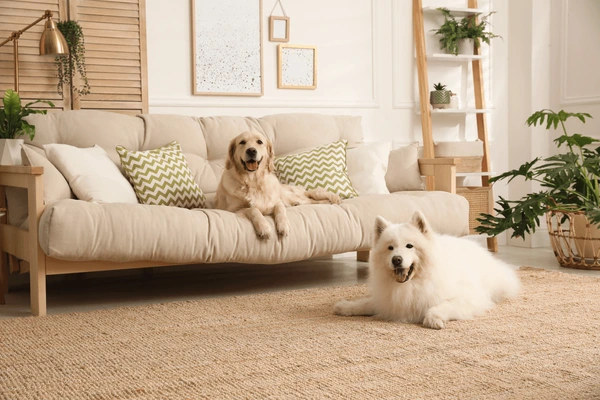
How to Create a Stylish, Durable Home Your Dog Will Love
For style-minded dog owners in busy households, a home can feel like it’s always one muddy pawprint away from looking worn out. The core tension is real: dog-friendly home design has to stand up to shedding, scratches, and zoomies without turning the space into a kennel. With the right mindset, harmonizing aesthetics and functionality becomes less about perfection and more about choosing what holds up, cleans up, and still feels like home. The payoff is a space with durable interior features, stylish pet accommodations, and practical dog owner solutions that fit everyday life.
· Understanding Functional Dog-Friendly Design
Dog-friendly design is functional first, then beautiful. It means choosing surfaces that handle claws and cleanup, adding a few dog-specific features that fit your routines, and keeping rooms welcoming for humans too. The goal is a pet-safe setup that supports real life, not a showroom.
This matters because durability reduces daily friction. When your floors, fabrics, and layout are chosen with your dog in mind, you spend less time managing the mess and more time enjoying your space. It also supports behavior, since designing for dogs includes their need for exercise, not just their nap spots.
Think of it like packing a smart travel bag. You pick tough basics, add a few tools that solve predictable problems, and still leave room for comfort. In a home, that might mean a wipeable entry zone, a tuck-away feeding station, and a cozy corner bed.
Those same choices also shape what protections to ask for, including builder structural warranties.
· Add a Structural Warranty for New-Build Peace of Mind
When you’re choosing materials and built-ins that can handle real dog life, it also pays to protect the structure those upgrades depend on.
If you’re building new, ask your builder whether a third-party structural warranty (or similar long-term protection) can be included. This kind of coverage helps safeguard the home’s integrity over time, which matters when you’ve invested in pet-friendly upgrades like durable flooring or built-in features; those additions perform best when the underlying structure stays sound. A clear warranty can also reduce risk on both sides by setting expectations up front about what’s covered and for how long, so you can move in with fewer “what ifs.” For useful info inside on what these protections can look like, it’s a good starting point for questions to bring to your builder.
With the big-picture protection handled, you can focus next on the everyday high-impact spots your dog uses most.
· Upgrade 8 High-Impact Spots Dogs Use Every Day
A dog-friendly home doesn’t need to look “pet-proofed.” Focus on the places your dog hits daily, choose finishes that are easy to maintain, and keep an eye on upgrades that won’t spook future buyers, especially if you’ve already been thinking about smart protections like third-party structural coverage for a new build.
- Swap in scratch-resistant flooring where it counts: If your dog runs the same path from the door to the kitchen, prioritize that “track” first instead of replacing the whole level. Waterproof luxury vinyl plank, tile, or sealed concrete tend to handle nails and accidents better than soft wood, while many laminates do well if seams are watertight. Add a tough, washable runner in hallways to reduce claw noise and protect high-traffic zones.
- Create a “dirty-paws” entry landing: Put a washable mat outside, a second absorbent mat inside, and a closed bin for towels and paw wipes right by the door. If you can, add a small hook rail at human height for leashes and a low hook for a long lead, this keeps gear off floors and walls. For bigger budgets, a utility sink or a handheld sprayer near the entry makes rainy-day cleanups faster.
- Build a feeding station that looks intentional: Move bowls out of walkways and off porous flooring by setting up a dedicated feeding nook, think a waterproof tray, a short backsplash, and a nearby drawer or bin for food. If you’re updating cabinetry, build it into the island so spills are contained and the look stays streamlined. The resale-friendly angle: it can read as a “coffee bar” or storage niche to non-pet owners if you keep the design clean.
- Add washable wall protection at dog height: In the hall, mudroom, and around the back door, use wipeable paint with a scrubbable finish and add a removable wall guard where your dog shakes off water. A simple rule: protect the first 24–36 inches from the floor, especially near corners and doorways. If your dog rubs along walls, consider a narrow wainscot-style panel that can be repainted or replaced later.
- Reinforce the “zoomie corners” with durable trim and door hardware: Dogs often clip corners and scratch near doors when excited. Use a tougher baseboard material (or a higher-gloss trim paint), install a door kick plate, and add a stop so knobs don’t punch the wall. These are small weekend upgrades that keep wear from looking like damage during a future showing.
- Fence for safety first, then landscape for calm: A safe fenced yard beats an invisible boundary for most households, check for gaps under gates, keep latches dog-proof, and avoid sharp pickets. In landscaped outdoor dog areas, make a clear loop path using mulch, decomposed granite, or pavers so your dog has a “route” that’s easier on grass. Keep toxic plants out and place a shaded water spot where you can see it from the house.
- Pick exterior upgrades that help your dog and your resale value: If you’re improving the outside anyway, choose projects buyers already like, exterior projects made up eight of the top 10 for cost recouped in one industry summary. Practical dog-friendly spins include a sturdier gate, better lighting for nighttime potty trips, and a more secure entry door that reduces escape risk. Keep changes “standard-looking” so they read as quality improvements, not niche pet add-ons.
Done well, these upgrades make daily life easier: fewer scuffs, quicker cleanups, and safer routines, plus a home that’s simpler to keep fresh, low-odor, and scratch-controlled without overspending.
Dog-Friendly Home FAQs: Clean, Safe, and Stylish
Q: How do I keep pet hair under control without cleaning constantly?
A: Use a two-step routine: quick daily pickup plus a deeper weekly reset. A rubber broom or squeegee tool grabs fur from rugs and upholstery fast, then a vacuum with a brush roll finishes the job. Professional-style checklists built around thorough dusting and vacuuming can help you stay consistent without marathon clean days.
Q: What actually works for dog odor that keeps coming back?
A: Start by finding the source: bedding, soft rugs, and the dog’s favorite lounging spot. Wash textiles weekly, wipe hard surfaces with an enzyme cleaner, and swap in a washable cover where your dog rests. A small air purifier near that zone helps, but cleaning the fabric is what usually makes the biggest difference.
Q: Can I make my floors more scratch-resistant without replacing everything?
A: Yes. Place a tough runner in the highest-traffic path and add felt pads to furniture that gets bumped. Keep nails trimmed and use a door-side mat to reduce grit that acts like sandpaper.
Q: Should I worry that dog-proofing will make my home look cheap?
A: Not if you choose neutral, easy-care materials that read as “low-maintenance” rather than “pet-only.” Stick to simple colors, hidden storage, and washable textiles that match your existing style.
Q: How do I improve safety indoors without turning my house into a fortress?
A: Create one intentional hangout zone with a bed and chew options, then block off hazards like cords, small objects, and cleaners. An animal-friendly space with toys gives your dog a default spot, which reduces trouble-seeking elsewhere.
Small, steady habits beat expensive overhauls and keep your home looking pulled together.