

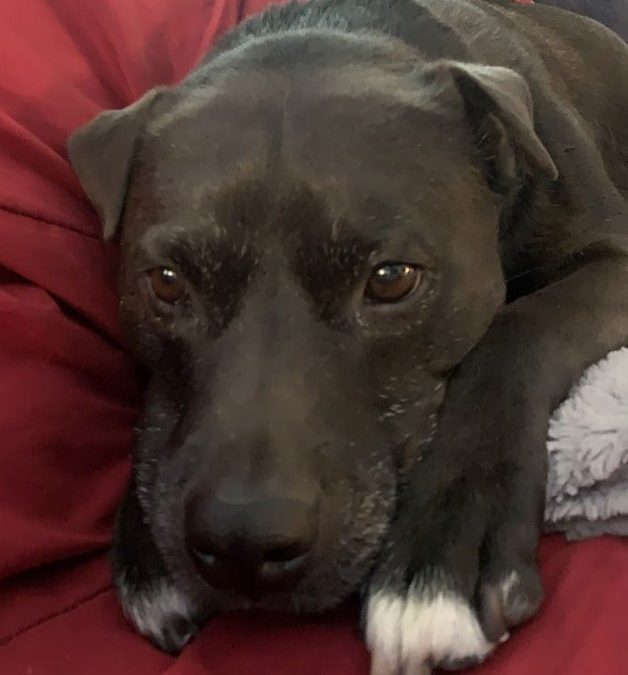
Dogs are funny creatures. They’ll eat something off the sidewalk without a second thought but then become deeply suspicious of a cardboard box in the hallway. 📦👀
So, let’s talk about what might be going on.
There are different kinds of anxiety in dogs. Some dogs are just born a little nervous. That can come from their DNA, their temperament, or how they were wired from the beginning. These are the dogs who come into the world looking around like, “I don’t know about this place, folks.” 😬They may be flighty, jumpy, shy, clingy, or easily overwhelmed. These dogs need extra conditioning, extra patience, extra confidence-building, and lots of love and praise. They also need their minds kept busy in healthy ways, because a dog with too much nervous energy and nothing to do with it can turn into a furry little worry machine.
Then there’s situational anxiety. That means something happened. Maybe the dog was in a car accident and now panics in the car. Maybe the dog lost an owner and had to move into a new home. Maybe there was a big life change, a scary event, an illness, or pain the dog doesn’t understand. Dogs don’t sit there and say, “Well, I seem to be experiencing emotional distress due to a recent life transition.” Nope. They pace. They pant. They bark. They hide. They shake. They chew the couch cushion like it personally offended them. 🛋️🐕
And sometimes anxiety shows up as behavior that looks “bad,” when really the dog is saying, “I don’t know what to do with myself.”
Some signs of anxiety can include:
- Shaking or trembling
- Panting when it isn’t hot
- Pacing back and forth
- Drooling
- Scratching
- Barking or howling more than usual
- Peeing or pooping in the house
- Loss of appetite
- Low energy
- Ears down, tail down, worried body language
- Clinginess or hiding
And yes, dogs can even have trauma from scary things that happened to them. They remember more than people sometimes realize.
Age can play a part too. As dogs get older, their thinking can change. Just like people, they may get confused, more sensitive, or more easily upset. An older dog who suddenly seems anxious may need a good checkup, because sometimes there’s something physical going on.
So what do we do about it?
First, check with your vet. That’s always step one, especially if the anxiety shows up suddenly or seems extreme. Pain, illness, age-related changes, or medical issues can all affect behavior. For milder cases, some people have good luck with pheromones, calming products, or certain natural approaches. Talk with your vet about what’s safe for your dog.
But here’s the big thing I want you to remember: A dog with anxiety needs confidence. And one of the best ways to build confidence is through training. Training gives your dog structure. It gives him a job. It teaches him to look to you for direction. It helps him understand the boundaries of his world. And that is huge. Because when a dog knows what to do, where to go, how to listen, and who to trust, his whole nervous system can start to settle down. We want to channel that energy.
Walks help. Training helps. Love and praise help. Giving your dog simple tasks helps. Keeping his brain busy helps. Helping him succeed helps.
A dog who feels successful starts to feel stronger. And a stronger dog is usually a less anxious dog.
For serious anxiety, some dogs may need more support. If your dog is truly miserable, panicked, or unable to enjoy life, please talk to your vet about all your options.
But for many dogs, the path starts with steady leadership, clear training, exercise, praise, patience, and giving that dog something productive to do with all that nervous energy.
So, if your dog is anxious, think: “How can I help build him up?” That’s where the good work begins. 💛🐾
CREDIT: JOHN WALTON